Mould Prevention Inner West
Mould needs a damp surface. We find what's keeping it damp and fix that.
Mould prevention in Inner West homes means dealing with what keeps walls and floors damp. Mould spores are always in the air; they only grow where moisture lets them. In the Inner West’s older houses, that’s usually a solid brick or sandstone wall with a failed damp course, a courtyard concreted up to the back wall, or a subfloor where the vents have been blocked for decades.
Clean the mould without fixing that, and it returns. We fix the damp. We don’t clean or remove mould ourselves.
What usually feeds it
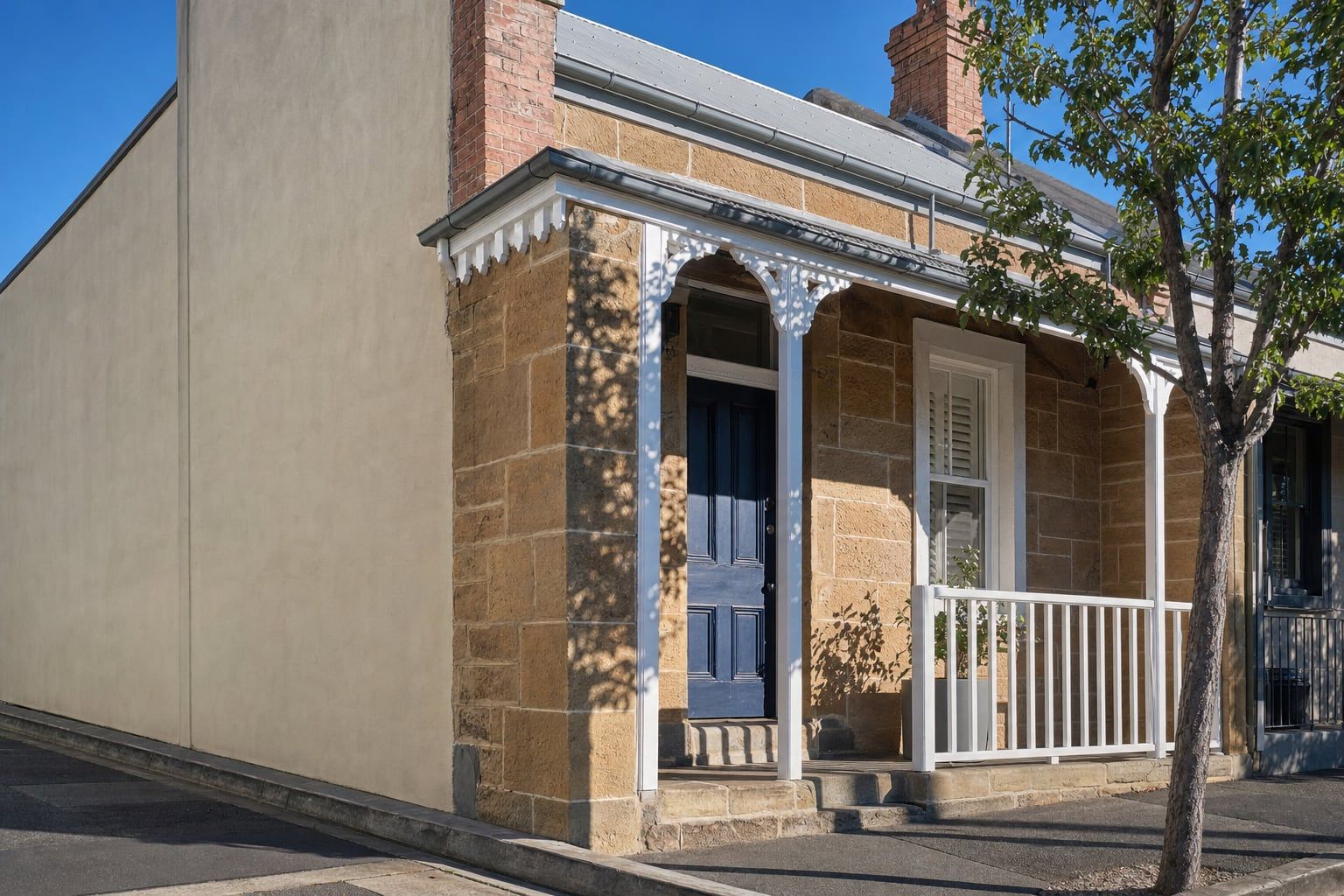
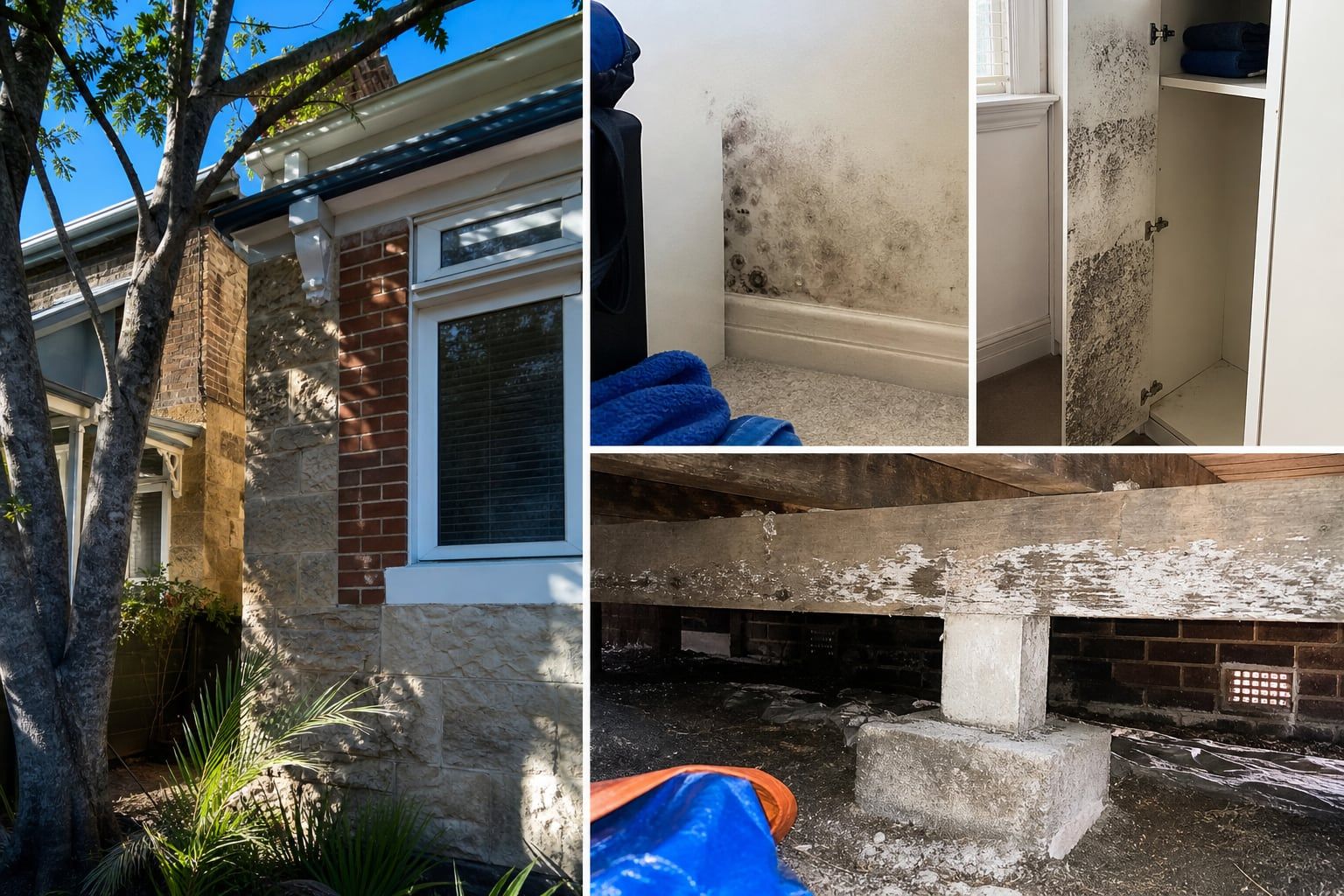
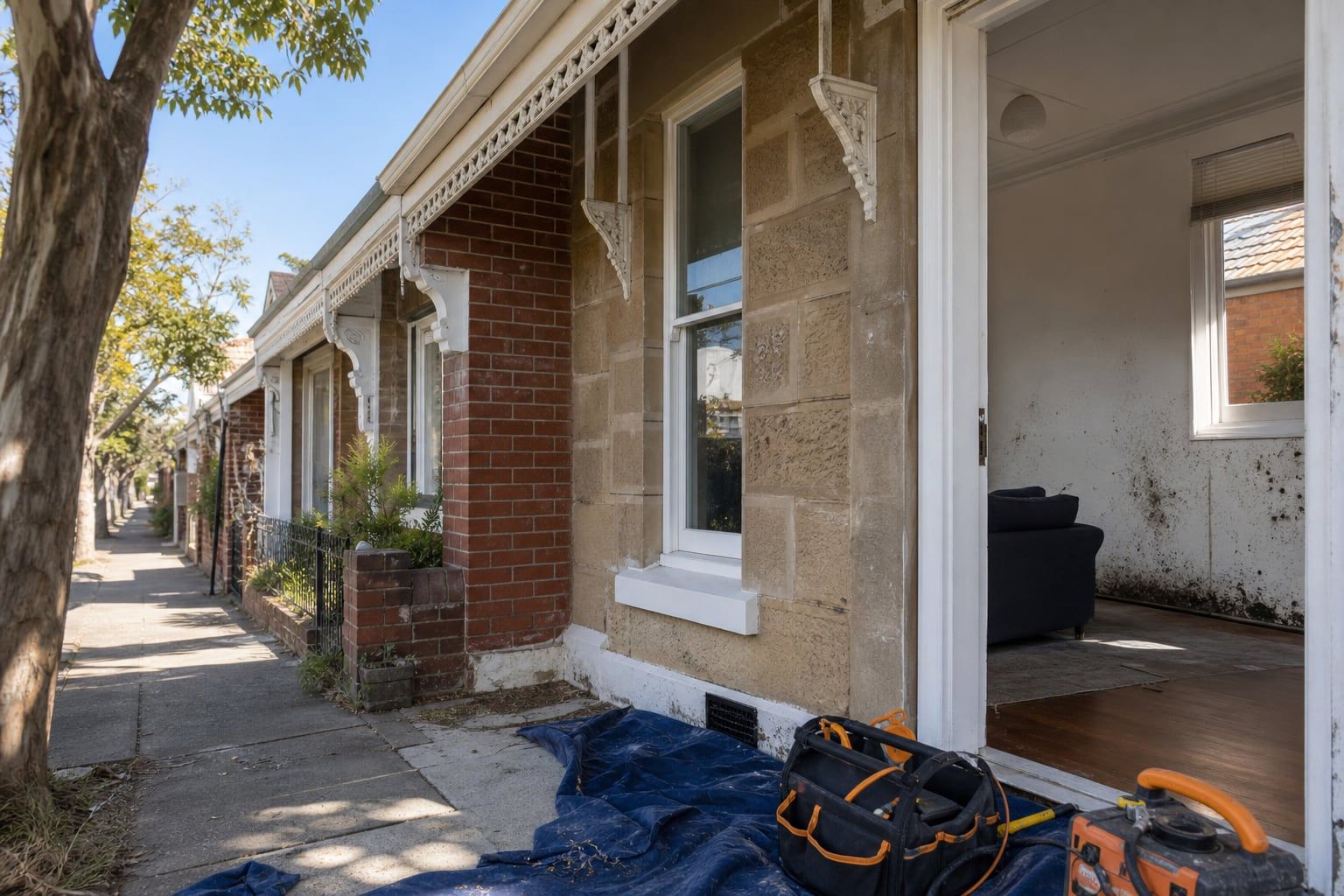
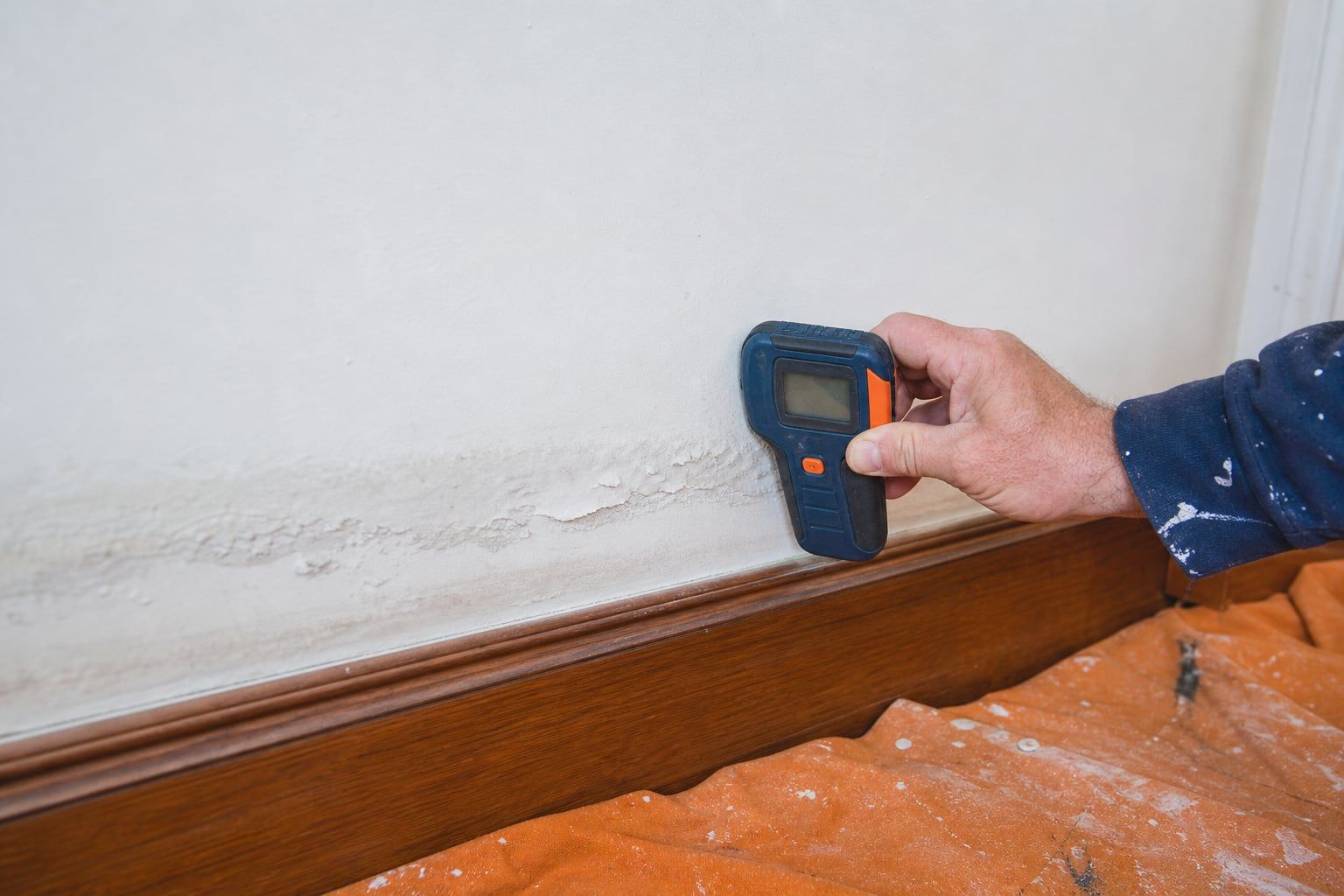
Rising damp in old walls. Federation cottages in Marrickville and Dulwich Hill, semis in Petersham and Leichhardt, and stone cottages on the Balmain peninsula often have ageing slate or bitumen courses. The damp band at the base of the wall is where mould starts, especially behind furniture.
Sealed walls. Older walls finished with gypsum plaster and acrylic paint can’t breathe. Moisture and salt get trapped behind the finish, and the surface stays damp longer.
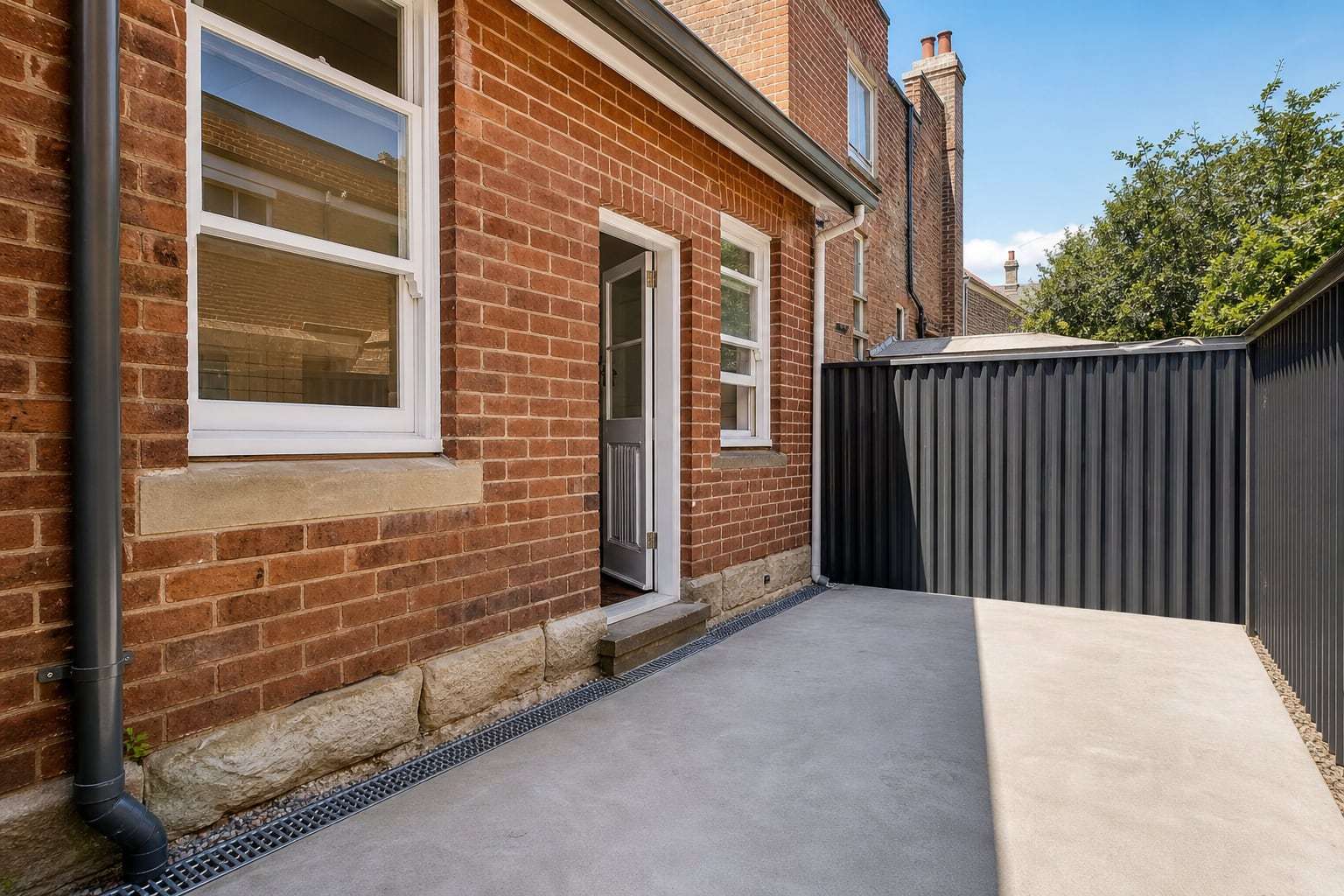
Water from outside. Courtyards concreted to the back door, downpipes spilling at the wall and garden beds piled against the brick keep the base of the wall wet. Our guide on damp walls after rain covers these.
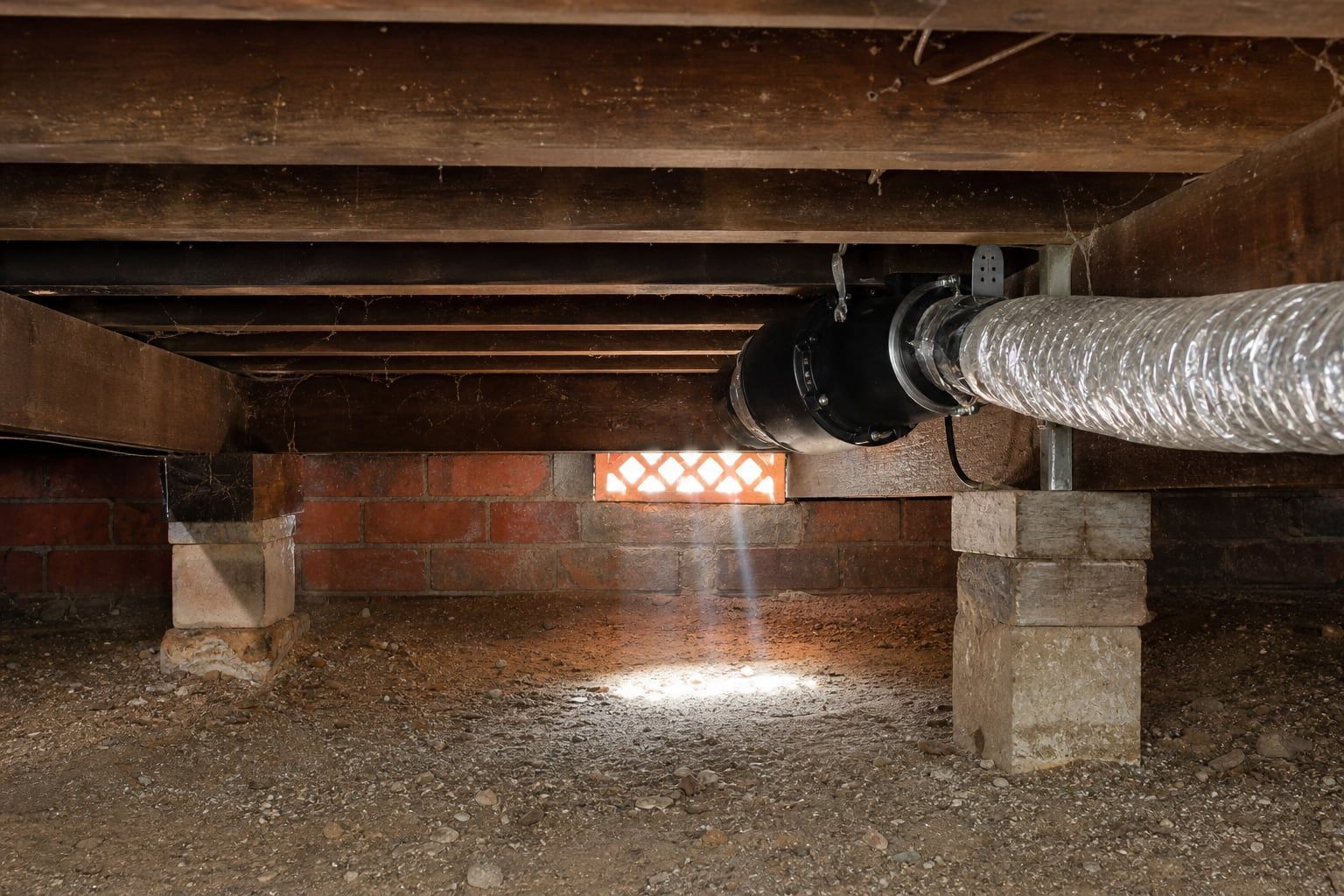
Still subfloors. Covered vents under timber floors trap damp air, which rises into cupboards and wardrobes.
Condensation. Cold back rooms, small bathrooms without exhaust fans and closed-up bedrooms can grow mould from air moisture. Our guide on rising damp or condensation explains how to tell the difference.
How we stop it
We start with a free moisture check around the mould and across the house. Our damp inspection page explains what it covers.
Then we fix the source:
- A chemical damp course or membrane where readings show rising damp.
- Subfloor ventilation for crawl spaces that can’t breathe.
- Drainage, lowered courtyards and connected downpipes for water from outside.
- Breathable, salt-resistant finishes in place of sealed plaster.
Cleaning afterwards
Once the walls and floor are drying, existing mould can be cleaned and stays gone. Use a cleaner or remediation specialist for larger areas. Plaster broken down by damp and salt is replaced through our salt-damaged plaster repair.
Everyday steps
Use exhaust fans, open windows on dry days, keep wardrobes and beds a little off external walls, and avoid drying clothes inside where you can. These help with condensation but won’t stop mould fed by a damp wall or subfloor.
Rentals
If you rent and have mould, report it to your landlord or agent in writing with photos. NSW Fair Trading has information on repairs. We can inspect for the owner and explain the cause.
Why older houses suffer most
Inner West houses were built with solid walls, lime plaster and plenty of air under the floor. Decades of cement render, gypsum plaster, acrylic paint, concrete courtyards and blocked vents have taken away their ability to dry. Putting some of that back is often what ends a long-running mould problem.
The back of the house
In many Inner West homes the mould sits in the kitchen, laundry or bathroom at the back. Those rooms usually share a wall with a concreted courtyard, get the least sun and have the poorest airflow underneath. Dealing with that one wall, its drainage and the subfloor beneath it often fixes the whole problem.
Book a moisture check
If mould keeps returning, something is keeping it damp. We’ll find it. Our overview of Inner West rising damp explains how we work.
Updated
What good mould prevention looks like
Mould Prevention across the Inner West
Mould Prevention in the Inner West: step by step
- Moisture checkReadings around the mould, plus courtyards, downpipes and the subfloor.
- Find the causeRising damp, water from outside, a still subfloor, sealed walls or condensation.
- Fix itA damp-proof course, drainage, airflow or ventilation, matched to the readings.
- Keep it dryWe explain the simple upkeep that keeps the area dry.
Mould Prevention questions in the Inner West
Something else on your mind? Call 02 9158 9931 and ask.
Do you get rid of the mould?
We don't clean or remove mould. We fix the damp and airflow that let it grow. For cleaning, use a cleaner or remediation specialist; once the damp is fixed, the clean lasts.
Why does mould keep coming back behind my wardrobe?
That wall is staying damp, often from rising damp in an old brick or stone wall, made worse by furniture stopping air reaching it. Fix the wall and give it a gap, and the mould stops.
Can mould affect my health?
NSW Health says damp and mould can affect breathing and worsen asthma and allergies. See a doctor if you're unwell; for the home, the advice is to reduce dampness and improve ventilation.